
Why Your Kidneys May Be Aging Faster Than You Are?
Why Your Kidneys May Be Aging Faster Than You Are: The Hidden Link Between Energy, Metabolism, and Early Kidney Decline
Published: May 22, 2026
Reviewed by: Dr. Neetu Sharma, MD, Board-Certified Internal Medicine & Nephrology, Functional Medicine & Metabolic Health Expert
Can your kidneys start struggling years before you feel sick?
Yes. Kidney decline often begins silently, years before symptoms appear. Many people with early kidney stress have normal daily routines, normal-looking lab work, and no obvious warning signs. Yet beneath the surface, metabolic stress from high blood pressure, blood sugar fluctuations, inflammation, poor sleep, excess abdominal weight, and lifestyle factors can gradually place pressure on the kidneys. Many people think kidney disease begins when creatinine rises or kidney function drops significantly. In reality, the process often starts much earlier. The encouraging part is that early changes are also the stage where meaningful action can still make a difference. Protecting your kidneys is not only about preventing dialysis in the future. It is also about preserving energy, mental sharpness, heart health, and long-term vitality.
Why your kidneys are much more than filters
Most people think of kidneys as simple filters. They picture something similar to a coffee filter that removes waste and excess fluid. The reality is much more impressive. Your kidneys regulate blood pressure, maintain mineral balance, help activate vitamin D, support red blood cell production, and influence many metabolic pathways that affect how your body functions every day. Your kidneys also communicate continuously with your heart, blood vessels, liver, and metabolic systems.
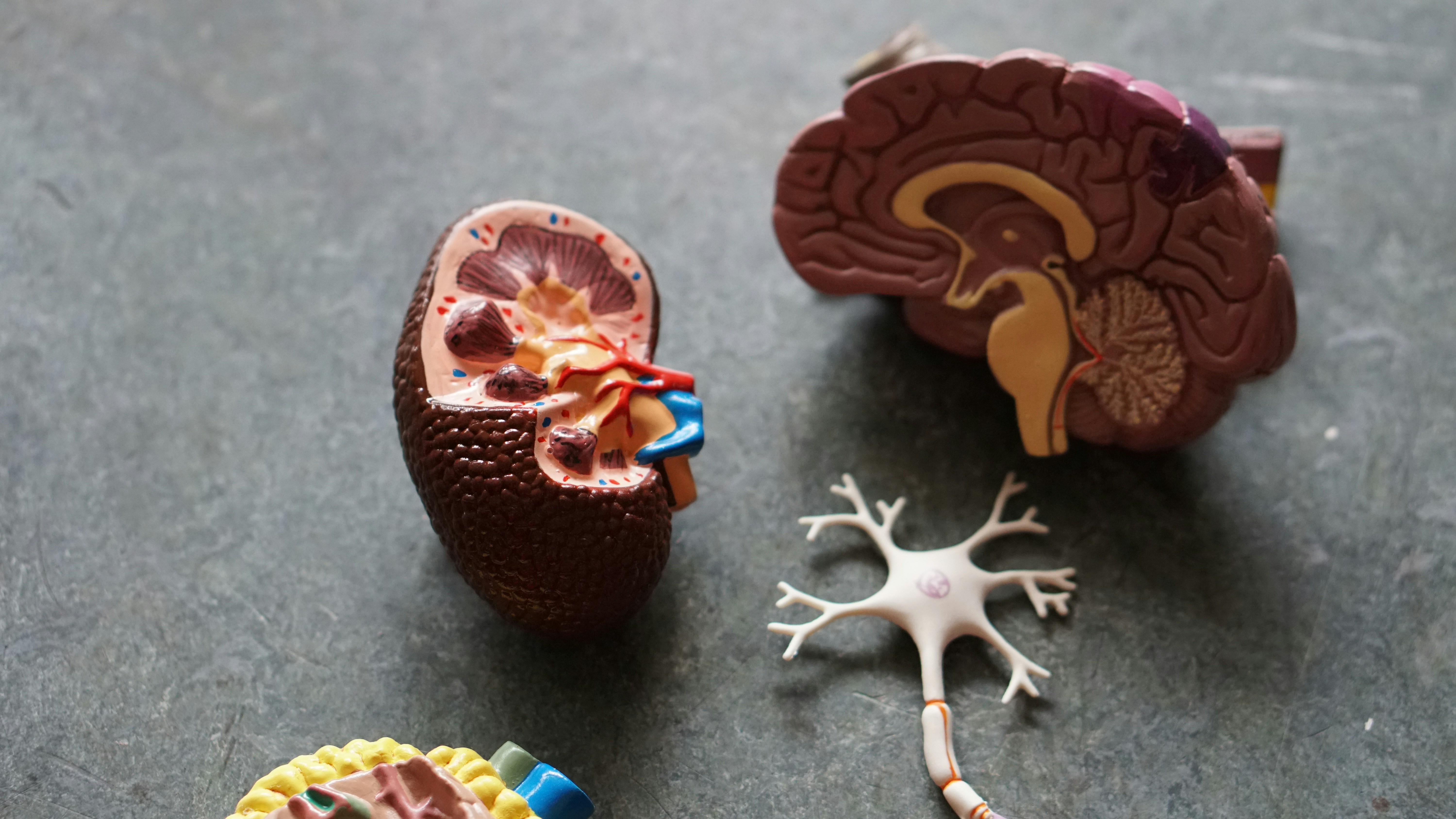
When these systems experience ongoing stress, your kidneys often feel the effects early. Imagine a large corporation with an executive team. If communication breaks down between departments, performance gradually suffers. In your body, the same thing happens between metabolism and kidney health. Long before major abnormalities appear on laboratory testing, subtle dysfunction may already be occurring. People frequently notice low energy, difficulty losing weight, poor sleep, brain fog, or rising blood pressure before they ever hear the words chronic kidney disease.
The surprising connection between metabolism and kidney health
Many people are shocked to learn that kidney health and metabolism are tightly connected. Insulin resistance, excess abdominal fat, inflammation, and blood sugar fluctuations can create pressure inside the delicate filtering units of the kidneys called nephrons. Over time this can contribute to microscopic injury. Researchers increasingly recognize that metabolic dysfunction often appears long before significant kidney damage becomes obvious.
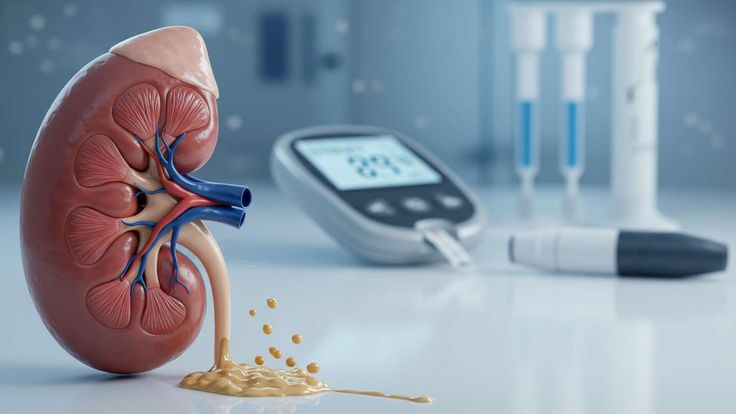
Think about a car engine that continues operating under high stress. The vehicle still runs, but small amounts of wear occur every day. Eventually performance starts to decline. The kidneys respond similarly. They can compensate for stress for many years before symptoms become noticeable. This explains why many adults are surprised when routine laboratory testing suddenly shows declining kidney function or protein in the urine despite feeling relatively healthy.
Why fatigue and brain fog can sometimes be early warning signs
People often separate symptoms like fatigue and brain fog from kidney health. They blame aging, stress, work schedules, or poor sleep. Sometimes those factors are involved. But your kidneys participate in processes that influence oxygen delivery, inflammation, fluid balance, blood pressure regulation, and metabolic function.
If metabolic stress starts affecting kidney performance, subtle symptoms can appear long before advanced disease develops. Patients often describe feeling mentally slower, more tired in the afternoon, less resilient to stress, or unable to recover after busy days. High-performing professionals frequently assume they simply need more caffeine or better time management. In many cases, the body may be signaling that something deeper is happening.
This does not mean every person with fatigue has kidney disease. It means symptoms deserve context. Your body often whispers before it starts shouting.
For those already diagnosed with early-stage decline, here is what Stage 2 and Stage 3 kidney disease means in practice.
What can you do to protect your kidneys before major damage occurs?
Early prevention works better than late rescue. Small consistent actions performed over months and years create meaningful changes in long-term kidney health. Blood pressure control remains one of the most powerful strategies. Maintaining stable blood sugar, preserving muscle mass, improving sleep quality, reducing highly processed foods, staying physically active, and identifying metabolic risk factors early can all influence kidney outcomes.
Many people wait for a major laboratory abnormality before acting. Waiting creates lost opportunities. Prevention means recognizing trends before they become problems. Looking at kidney health through a broader metabolic lens may provide a more complete picture than focusing on a single laboratory value.
If you have recently noticed foamy urine or been told protein is present in your urine, learn what that may mean for your kidney health.

At Zealvitality, the goal is helping people understand these connections early. Your kidneys are not simply organs that fail one day. They are part of an entire system that influences energy, performance, and longevity.
The bottom line
Kidney health is really longevity health. Protecting kidney function is not only about avoiding future disease. It is about preserving energy, maintaining mental clarity, supporting heart health, and protecting quality of life over time. Many people do not realize they are experiencing early signs of metabolic and kidney stress until years later.
If you have already been told your eGFR is declining, understanding what Stage 2 and Stage 3 kidney disease actually means can help you take the right next steps.
The earlier you understand what your body is telling you, the more opportunities you have to change the trajectory.
Scientific References
National Kidney Foundation. Chronic Kidney Disease Evaluation and Management Guidelines.
Kidney Disease: Improving Global Outcomes Clinical Practice Guideline for the Evaluation and Management of Chronic Kidney Disease.
Kovesdy CP. Epidemiology of chronic kidney disease: an update 2022. Kidney International Supplements.
Stenvinkel P, et al. Metabolic and inflammatory pathways in chronic kidney disease. Nature Reviews Nephrology.
Kalantar-Zadeh K, et al. Kidney disease and metabolic health connections. The Lancet.
Chen TK, Knicely DH, Grams ME. Chronic Kidney Disease Diagnosis and Management. JAMA.