Stage 2 & 3 kidney disease
What Does Stage 2 or Stage 3 Kidney Disease Actually Mean? A Nephrologist Explains
Published: May 22, 2026
Reviewed by: Dr. Neetu Sharma, MD
Board-Certified Internal Medicine & Nephrology | Functional Medicine & Metabolic Health Expert
What does Stage 2 or Stage 3 kidney disease actually mean?
If you were recently told you have Stage 2 or Stage 3 kidney disease, take a breath. This diagnosis does not automatically mean kidney failure or dialysis. Many people live for years, and sometimes decades, without progressing to advanced kidney disease. The important message is this: early kidney disease is often a signal that your kidneys are under stress, not necessarily a sign that they are shutting down.
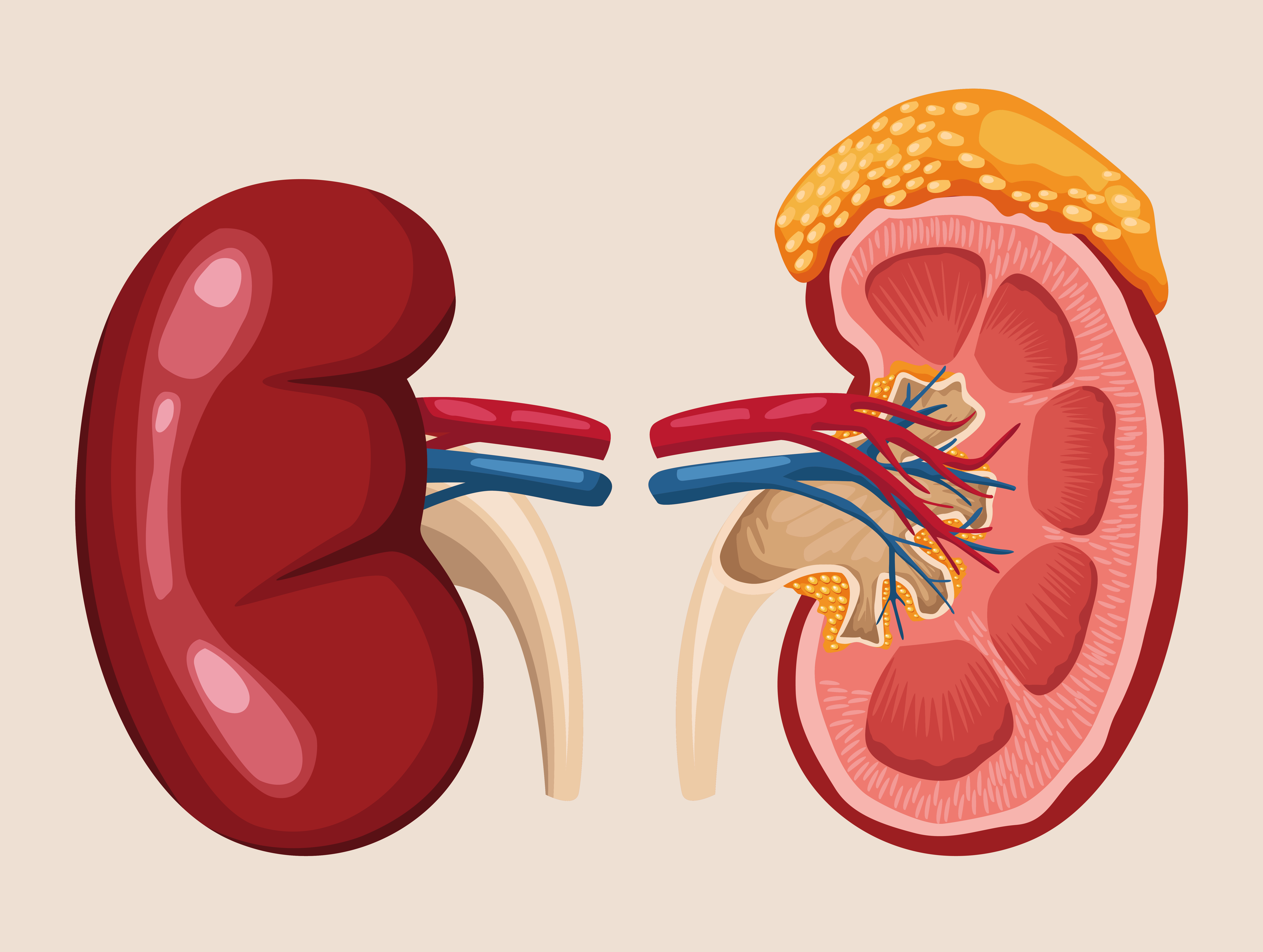
Many patients hear "chronic kidney disease" and immediately imagine dialysis machines or severe illness. I see this fear often in clinic. The reality is more nuanced. Your kidneys have an impressive ability to compensate and continue functioning even when stress begins affecting them. Early stages are often where you still have time to understand what is happening, identify the drivers behind it, and take action that may protect long-term kidney health.
What do doctors use to determine kidney stages?
Doctors generally use something called estimated glomerular filtration rate, or eGFR. Think of eGFR as an estimate of how effectively your kidneys are filtering waste products from your blood.
Kidney stages are commonly grouped like this:
Numbers alone do not tell the full story. I have seen patients with an eGFR of 58 who remain stable for years and others with higher numbers showing warning signs because of protein leakage, uncontrolled blood pressure, diabetes, or inflammation.
Why can someone have kidney disease and still feel completely normal?
One of the frustrating things about kidney disease is that symptoms often do not appear early. Your kidneys contain millions of filtering units called nephrons. When some become stressed or damaged, others compensate.
Imagine a workplace where a few employees quietly take on extra responsibilities when others struggle. The organization still functions, at least for a while. Your kidneys behave similarly.
That is why many people discover kidney problems through routine blood work rather than symptoms. Sometimes subtle signs appear first:
Fatigue
Brain fog
Elevated blood pressure
Swelling
Sleep changes
Difficulty losing weight
These symptoms do not automatically mean kidney disease, but they deserve attention.
Why do kidney numbers sometimes change?
Many people panic after seeing a small drop in eGFR.
Kidney function numbers can move for reasons that are temporary:
Dehydration
Medications
High protein intake
Recent illness
Exercise
Laboratory variation
One laboratory result rarely tells the whole story. Trends matter more than isolated numbers.
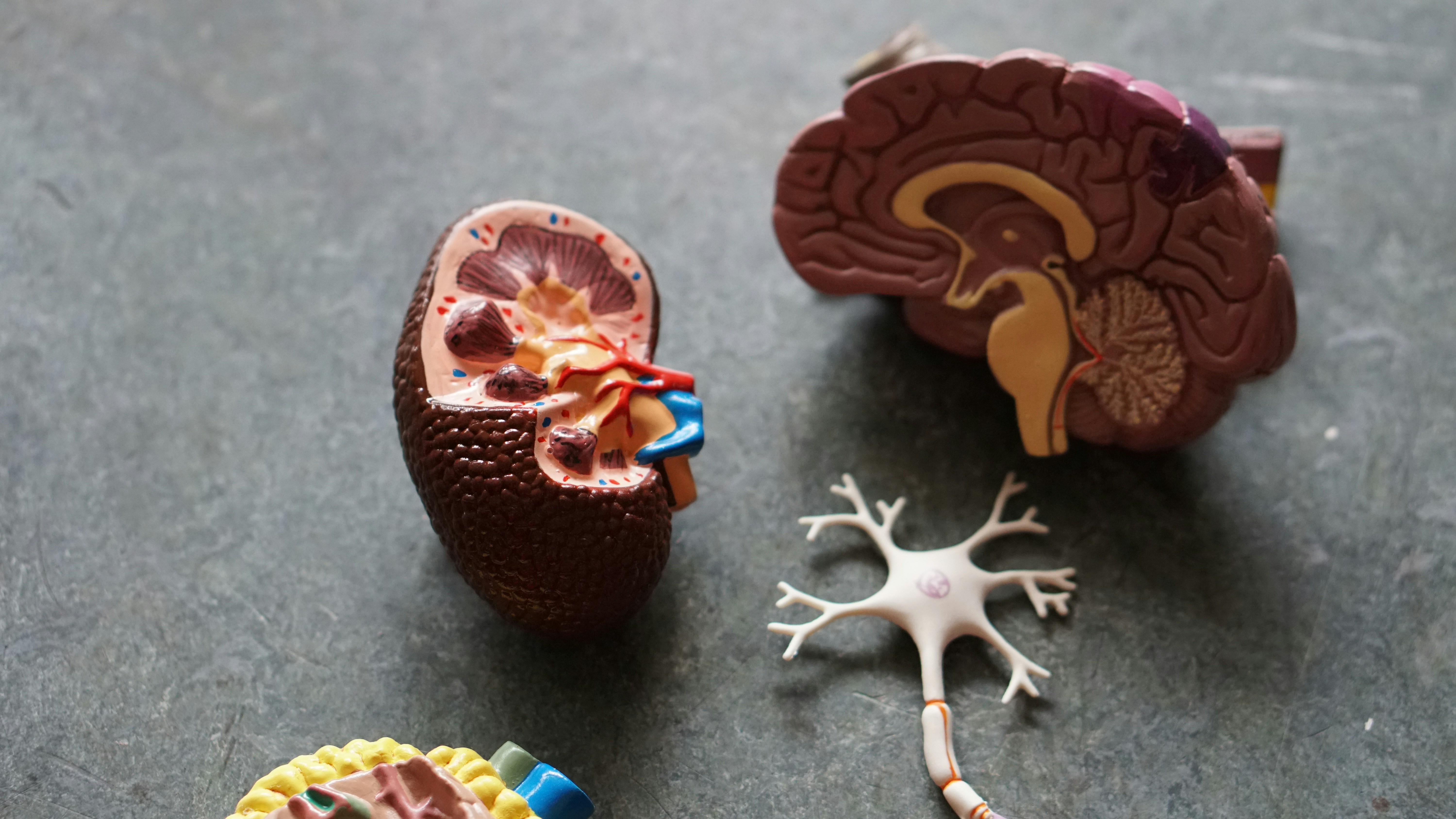
This is where context becomes important. Looking at blood pressure, blood sugar patterns, urine protein levels, medications, lifestyle habits, inflammation markers, and metabolic health often provides a much clearer picture than looking at creatinine alone.
Can Stage 2 or Stage 3 kidney disease improve?
This is one of the most common questions I hear.
The answer is that it depends on what is driving the stress on your kidneys. Some causes can stabilize significantly. Some kidney function changes may improve. Others may progress slowly over time.
The goal is not chasing a perfect number. The goal is preserving kidney health over years.
Understanding the deeper metabolic drivers is key — here's how kidney aging and energy metabolism are linked
Strategies commonly include:
Blood pressure optimization
Stable blood sugar control
Maintaining healthy body composition
Reducing highly processed foods
Improving sleep quality
Physical activity
Identifying medications or supplements that may affect kidneys
Addressing underlying metabolic stress
Early action creates more opportunities than waiting.
What are the next steps if you have Stage 2 or Stage 3 kidney disease?
If you have recently received this diagnosis, focus on understanding rather than fear.
Ask questions such as:
Why do I have kidney changes?
Is my blood pressure controlled?
What risk factors are contributing?
What trends are we watching?
Kidney health is connected to much more than kidneys alone. Your metabolism, heart health, sleep, nutrition, and daily habits all play a role.
Many patients feel powerless after hearing the words chronic kidney disease. You are not powerless. Information creates options. Early action creates opportunities.
Frequently Asked Questions
Can Stage 2 kidney disease go away?
Some causes of kidney stress can improve or stabilize, depending on the underlying cause.Is Stage 3 kidney disease serious?
Stage 3 deserves attention, but many people live stable lives for years with proper management.What foods should I avoid with Stage 2 or Stage 3 kidney disease?
The answer varies by your medical history, medications, blood work, and kidney condition.Does drinking more water improve kidney function?
Hydration matters, but excessive water alone does not reverse kidney disease.Will I eventually need dialysis?
Most people with Stage 2 or Stage 3 disease do not immediately progress to dialysis.
Related Reading:
→ Why Your Kidneys May Be Aging Faster Than You Are: The Hidden Link Between Energy, Metabolism, and Early Kidney Decline
→ Why Is There Protein In My Urine? (coming next)
→ Can You Improve Kidney Function Naturally? (coming next)
Scientific References
National Kidney Foundation Chronic Kidney Disease Stages and Evaluation Guidelines.
Kidney Disease: Improving Global Outcomes Clinical Practice Guideline for CKD Evaluation and Management.
Chen TK, Knicely DH, Grams ME. Chronic Kidney Disease Diagnosis and Management. JAMA. 2019.
Levey AS, et al. Definition and classification of chronic kidney disease. Kidney International.