
Why is there protein in my urine?
Why Is There Protein in My Urine? A Kidney Doctor Explains What Your Body May Be Telling You
Published: May 22, 2026
Reviewed by: Dr. Neetu Sharma, MD
Board-Certified Internal Medicine & Nephrology | Functional Medicine & Metabolic Health Expert
Why is there protein in my urine?
Protein in the urine can sometimes be an early signal that your kidneys are under stress. It does not automatically mean severe kidney disease, and it does not automatically mean kidney failure is coming. But it does deserve attention. Think of it as a smoke detector rather than a house fire. Your body is giving information before larger problems develop.
Many people discover protein in the urine during a routine physical exam, insurance screening, or blood pressure visit. They often feel completely normal. Others notice foamy urine and start searching online late at night, imagining the worst possible scenarios. I see this frequently in practice. The important thing to understand is that protein leakage is often an early clue that something is affecting the kidney filters. The next step is not panic. The next step is understanding why it is happening and what factors may be contributing.
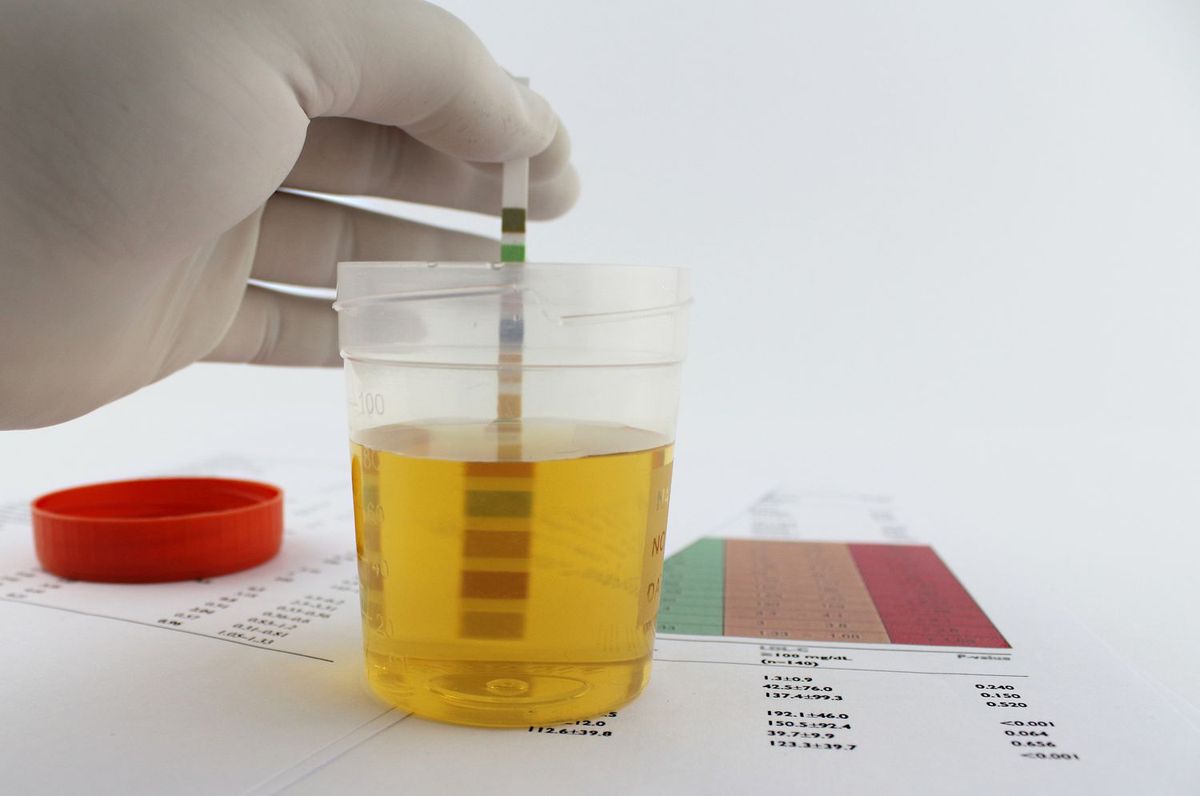
What are your kidneys supposed to do with protein?
Your kidneys contain millions of tiny filtering units called nephrons. Think of these filters like a security checkpoint at an airport. The checkpoint lets the right people through while keeping others from entering places they should not go. Your kidneys work in a similar way.
Healthy kidney filters usually keep important proteins inside your bloodstream because proteins perform essential jobs throughout the body. They help maintain fluid balance, carry nutrients, support immune function, and assist with healing and repair. When these delicate filters become stressed or damaged, protein molecules can begin leaking into the urine.
Tiny amounts of leakage can happen occasionally and may not indicate major disease. Persistent protein loss is different. Long-term leakage can signal ongoing stress on the kidney filters and deserves a closer look.
Why do people develop protein in the urine?
There is no single cause. Protein leakage is often connected to conditions that place pressure on the kidneys over time.
Common causes include:
High blood pressure
Diabetes or insulin resistance
Obesity and metabolic syndrome
Kidney inflammation
Certain medications
Kidney diseases affecting the filters
Temporary dehydration
Intense exercise
Infections
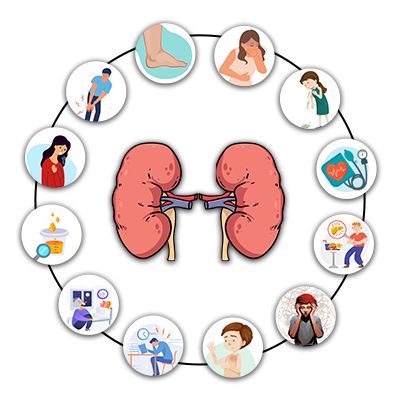
High blood pressure is one of the most common reasons I see in clinical practice. Imagine spraying water through a garden hose at extremely high pressure for years. Eventually the hose starts showing wear. Blood vessels inside kidney filters respond similarly. Constant pressure gradually creates microscopic injury.
Sometimes the body sends subtle signals before larger laboratory changes appear. Protein in the urine can be one of those signals.
Does foamy urine always mean kidney disease?
This question comes up almost every week.
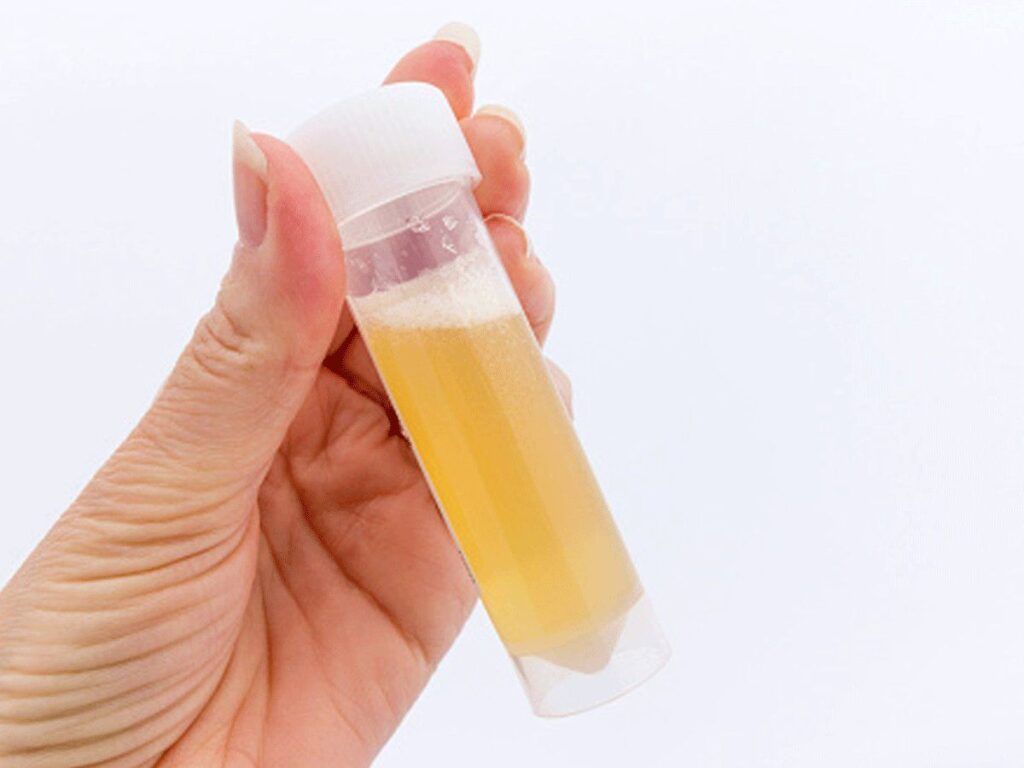
The answer is no. Foamy urine does not automatically mean kidney disease. Sometimes urine becomes foamy because of rapid urination, dehydration, concentrated urine, or even cleaning products in the toilet bowl. Temporary foam by itself usually does not tell the whole story.
What deserves more attention is persistent foamy urine that appears repeatedly, especially if it occurs alongside swelling, rising blood pressure, fatigue, or abnormal laboratory testing.
Many patients notice these changes months before evaluation. Some ignore them because they feel otherwise healthy. Others become extremely worried. Neither reaction is helpful. Patterns matter more than isolated observations.
The body often gives small clues before larger changes develop.
What tests help determine if protein leakage is serious?
Finding protein on a urine dipstick is often just the beginning. More detailed testing helps determine whether the amount is significant and whether there is evidence of ongoing kidney stress.
Tests may include:
Urine albumin-to-creatinine ratio (ACR)
Complete urinalysis
Blood pressure assessment
Blood sugar evaluation
Additional kidney studies if needed
The amount of protein matters. The trend matters. The reason behind it matters.
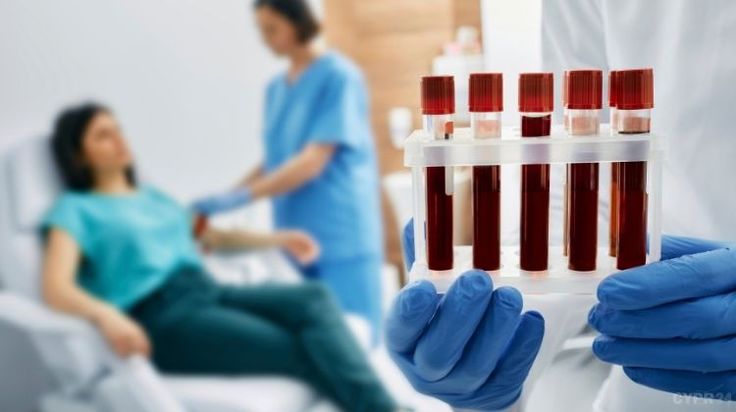
A single number without context rarely tells the whole story. I often explain to patients that looking only at creatinine without considering blood pressure, metabolism, inflammation, and urine findings is like trying to judge a movie by watching one scene.
Can protein in the urine improve?
Sometimes yes.
Improvement depends on what is causing the leakage. If blood pressure becomes better controlled, blood sugar improves, weight decreases, inflammation falls, or underlying kidney stress is addressed early, protein levels may stabilize and sometimes improve.
The goal is not chasing perfect numbers. The goal is reducing ongoing stress on the kidney filters and protecting long-term function.
Helpful strategies often include:
Blood pressure optimization
Stable blood sugar control
Healthy body composition
Physical activity
Sleep optimization
Reviewing medications and supplements
Small changes repeated consistently often create meaningful results over time.
The bottom line
Protein in the urine is not a diagnosis by itself. It is information. It may be one of the earliest signs that your kidneys are asking for attention before larger problems appear.
Many people wait until kidney numbers worsen before taking action. Earlier action creates more opportunities. Understanding what is driving the protein leakage may help protect energy, kidney function, and long-term health.
Related Reading:
→ What Does Stage 2 or Stage 3 Kidney Disease Actually Mean?
→ Why Your Kidneys May Be Aging Faster Than You Are
→ Can You Improve Kidney Function Naturally? (coming next)
Scientific References
National Kidney Foundation Proteinuria and Albuminuria Clinical Guidance.
Kidney Disease: Improving Global Outcomes CKD Evaluation and Management Guideline.
Chen TK, Knicely DH, Grams ME. Chronic Kidney Disease Diagnosis and Management. JAMA. 2019.